Mealtime adventures are better with Bibado! Let our award-winning products make a difference to your weaning journey.
 Shop Now


BASKET
Your basket is empty
Mealtime adventures are better with Bibado! Let our award-winning products make a difference to your weaning journey.
Shop Now
Article: Winter Warmers: 3 Baby Soup Recipes from Smooth to Chunky
Looking for easy, nutritious baby soup recipes? Discover three comforting winter warmers for babies from 6 months, packed with iron-rich ingredients, everyday vegetables and textures that grow with your little one. From smooth first spoonfuls to hearty, chunky meals, explore simple recipes, safe serving tips and batch-cooking ideas
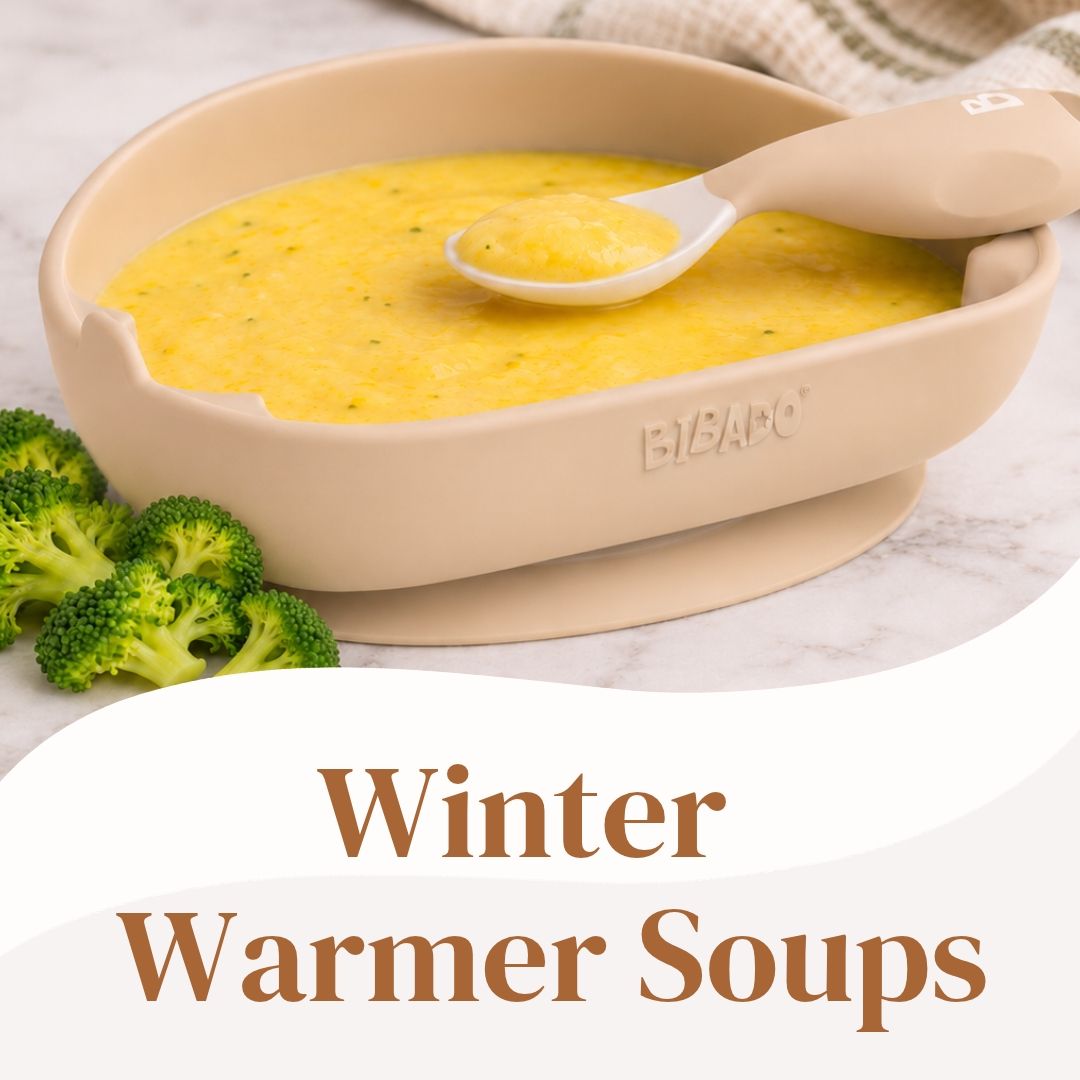
Cold days call for cosy bowls. And when you're weaning a little one, homemade soup can be much more than a warming lunch. It can introduce new flavours, bring useful nutrients to the table and give babies the chance to explore different textures as their eating skills develop.
We've put together three simple winter warmers, from a creamy first spoonful to a hearty bowl with soft, manageable chunks. They're made with everyday ingredients, ideal for cooking in small batches and delicious enough to share with the family.
Three soups. Three stages. Lots of little opportunities to learn.
Age labels are guides, not milestones to race towards. Some babies are ready for mashed, lumpy and finger foods from the beginning of weaning, at around six months. Offer textures your baby can safely manage and progress as they become ready.

Suitable from: around 6 months | Prep: 5 minutes | Cook: 15 minutes | Makes: 8 small baby portions (approximately 40g each)
Golden, gently sweet and wonderfully creamy, this simple chowder is a cosy way to introduce sweetcorn. Serve it smooth for babies who prefer that texture, or adjust it as their skills grow. A thicker consistency is easier to keep on a spoon than a watery soup.
Make it a mealtime adventure: Let your baby touch the soup, explore a preloaded spoon or practise bringing it to their mouth. If they're already managing finger foods, try soft-cooked broccoli florets on the side.
Recipe based on the NHS Sweetcorn Chowder.

Suitable from: around 7–9 months (or earlier if ready for its texture) | Prep: 10 minutes | Cook: 20 minutes | Makes: 4 baby-sized portions
Warm, colourful and made with simple cupboard and vegetable-drawer staples, this satisfying soup brings sweet potato, red pepper and lentils together in one bowl. The lentils contribute plant-based iron, while the pepper provides vitamin C, which helps the body absorb iron from plant foods.
Make it a mealtime adventure: Offer toast fingers for dipping or very soft-cooked courgette sticks alongside. Let your baby practise scooping, squishing and exploring. The soup should be thick enough for little hands and utensils to work with.
Make the most of your veg: Have a small piece of fresh sweet potato or pepper left from another meal? Use it here, provided it is fresh and safely prepared. This recipe uses sweet potato in place of butternut squash, a substitution also suggested by the NHS.
Adapted from the NHS Autumn Lentil Soup, using the sweet potato swap suggested in the NHS Squash and Lentil Soup.

Suitable from: around 10–12 months (according to the NHS recipe) | Prep: 10 minutes | Cook: 25 minutes | Makes: 4 baby-sized portions
For babies becoming more confident with soft lumps and small, tender pieces, this hearty stew is full of different shapes and textures to investigate. Chicken, vegetables and noodles make a lovely family-style meal that can be adapted to your baby's abilities.
Make it a mealtime adventure: Serve as a thick, scoopable stew. Offer a baby spoon or fork and give them time to practise picking up food, moving it around their mouth and learning how to manage different soft textures.
Recipe based on the NHS Chicken Noodle Stew.
Moving from smooth foods to mashed, lumpy and soft finger foods is part of learning to eat. Babies practise moving food around their mouths, chewing and swallowing, and begin developing the coordination involved in self-feeding.
That doesn't mean every baby must start with purées or follow a strict age-by-age timetable. Some are ready for mashed foods and soft finger foods from around six months. The NHS recommends moving on from completely smooth textures as soon as your baby can manage them, while always supervising mealtimes.
And yes, exploring soup can be gloriously messy. Touching, dipping, scooping and trying again are all part of the experience. At Bibado, we believe mealtimes are about much more than what's eaten: they're an everyday opportunity to explore, learn and become more independent.
Iron becomes particularly important as babies start eating solid foods. Lentils, beans, meat, fish, eggs and iron-fortified cereals can all contribute to their intake. Including vitamin C-rich foods, such as peppers or broccoli, alongside plant sources of iron can help with absorption. Offer a variety of iron-containing foods across the week rather than relying on a single recipe.
It's easy to focus on winter sunshine, but the vitamin D advice for babies applies throughout the year. NHS guidance recommends a daily vitamin D supplement of 8.5–10 micrograms for breastfed babies from birth. From six months to five years, supplements containing vitamins A, C and D are recommended, except for babies receiving at least 500ml of infant formula a day, which is already fortified. Use age-appropriate supplements and ask your health visitor or pharmacist if you're unsure. Food alone doesn't replace this guidance.
Want to turn a family meal into a baby-friendly one? Set aside your baby's unsalted portion before adding adult seasoning, then adjust the texture. It's a great way to share flavours without cooking completely separate dinners.
A preloaded Dippit™ helps babies explore those first mouthfuls, while a stable bowl can give them somewhere to practise scooping as they become more independent. Our Learning Curve™ tableware was designed to support those everyday learning moments, without taking the challenge away.
Explore Bibado's weaning spoons and dippers or discover the thinking behind the Learning Curve™ Bowl.
These recipes are based on NHS Best Start in Life recipes; the second uses a substitution also suggested by the NHS. Cooking times and yields are taken from the original NHS versions. Guidance is provided for general information and does not replace individual advice from a health professional.
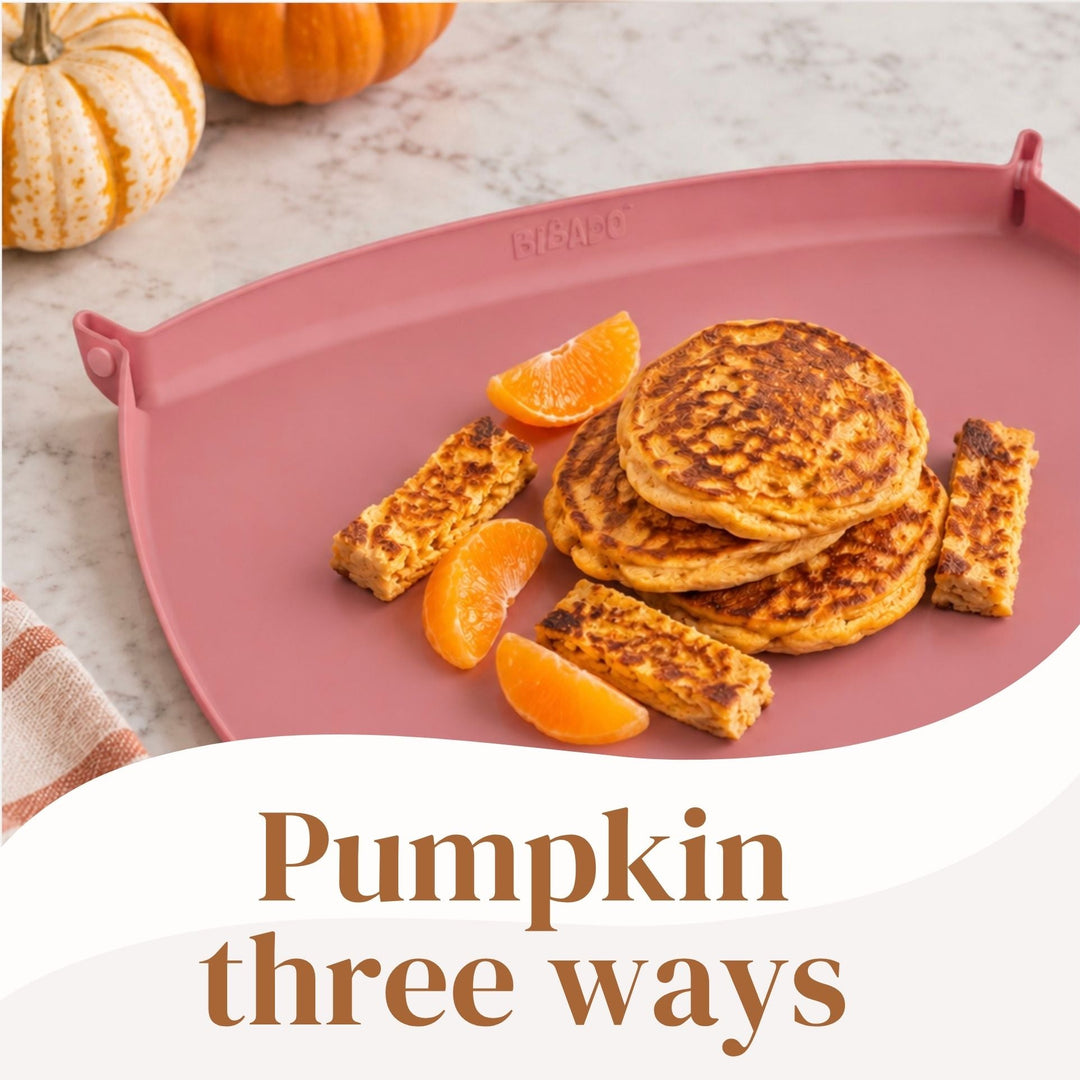
Pumpkin Three Ways: Easy Weaning Recipes for Babies from 6 Months
Pumpkin's soft, sweet flesh is perfect for little hands to squish, scoop and taste. Here are three easy, weaning-safe ways to serve it this autumn. Expect orange fingerprints. That's how they learn.
Read moreFollow us for more delicious, nutritious bite-size Bibado goodness
