Pumpkin's soft, sweet flesh is perfect for little hands to squish, scoop and taste, and right now it's in season. Here are three easy ways to serve it to your baby this autumn, each one tested against UK weaning guidance with clear cooking times, safe shapes and serving tips. Expect orange fingerprints. That's how they learn.
Suitable from: around 6 months, once your baby has started solid foods
Recipes: Roasted pumpkin wedges · Pumpkin oat pancakes · Pumpkin & yoghurt swirl
Before you start: weaning safety essentials
-
Always stay with your baby while they eat. Sit them upright in a highchair, facing you, and never leave them alone with food.
-
Use the squash test. Finger foods for new weaners should squash easily between your thumb and forefinger.
-
Size matters. At around 6 months, babies grab food with their whole hand, so offer strips about the length and width of an adult finger. Smaller, bite-sized pieces come later, once the pincer grip develops (usually around 9 months onwards).
-
No added salt or sugar, and no stock cubes, gravy or ready-made sauces. Never give honey to babies under 12 months.
-
Check the temperature. Let food cool and test it before serving. If you microwave, stir well to remove hot spots.
-
Introduce allergens one at a time. The pancakes contain egg and milk, and the yoghurt swirl contains milk, unless you opt for dairy-free alternatives. Offer these in small amounts, one new allergen at a time, and watch for any reaction. If your baby has eczema, an existing food allergy or a family history of allergy, speak to your GP or health visitor first.
-
Know the difference between gagging and choking. Gagging (coughing, spluttering, red face) is a normal reflex while babies learn. Choking is usually silent. We recommend every parent learns baby first aid before starting finger foods.
Which pumpkin should I use?
Look for a small culinary pumpkin or use butternut squash. Large carving pumpkins are edible, but their flesh is watery and less sweet. Always peel and remove the seeds before cooking for your baby.
1. Roasted pumpkin wedges
Finger food fun
Simple, nutritious and the perfect shape for little fists, these soft wedges help your baby practise picking up, holding and bringing food to their mouth. Serve with steamed veggie batons for a colourful plate.
Age: from around 6 months
Prep: 10 minutes · Cook: 25–30 minutes
Makes: about 3–4 baby portions
Allergens: none of the 14 major allergens
Ingredients
- ¼ small culinary pumpkin or ½ small butternut squash (about 300g)
- 1 tsp olive or rapeseed oil
- Optional: a small pinch of mild sweet paprika (not hot, chilli or smoked)
Method
- Preheat the oven to 200°C (180°C fan) / gas mark 6. Line a baking tray with baking paper.
- Peel the pumpkin and scoop out the seeds and stringy pulp.
- Cut into strips roughly the length and width of an adult finger (about 6–7cm long and 1.5–2cm thick).
- Toss in the oil and add a tiny pinch of paprika if using. Spread out in a single layer so they roast rather than steam.
- Roast for 25–30 minutes, turning halfway, until completely soft all the way through.
- Do the squash test: each wedge should crush easily between your thumb and forefinger. If not, return to the oven for 5 more minutes.
- Leave to cool until just warm before serving.
How to serve
- Offer 2–3 wedges at a time on the tray or a suction plate so your baby can pick them up with their whole hand.
- For younger babies, trim off any very crispy or charred edges, which can be harder to manage.
- Pair with soft-cooked veggie batons. Steam carrot until very soft; cucumber is best offered as a long, chunky baton that babies can gnaw on rather than bite through.
- Older babies (9 months+) can have smaller pieces to practise their pincer grip.
2. Pumpkin oat pancakes
Grab, hold & munch
Soft, naturally sweet and freezer-friendly, these mini pancakes are made with no added sugar or salt. Cut into strips, they're ideal for little hands, and they're a great way to offer oats and egg.
Age: from around 6 months
Prep: 10 minutes · Cook: 10–15 minutes
Makes: about 8 small pancakes
Allergens: egg, milk; oats may contain gluten (use certified gluten-free oats if needed)
Ingredients
- 80g pumpkin purée (roasted or steamed pumpkin, mashed or blended until smooth)
- 1 large egg (British Lion stamped)
- 45g porridge oats
- 3 tbsp full-fat cow's milk, or your baby's usual breast or formula milk
- A small pinch of ground cinnamon (optional)
- A little unsalted butter or oil for the pan
Method
- Blitz the oats in a blender until they become a fine flour.
- Add the pumpkin purée, egg, milk and cinnamon and blend until smooth. Rest the batter for 5 minutes to thicken.
- Heat a non-stick frying pan over a medium–low heat and brush with a little butter or oil.
- Add tablespoons of batter to the pan, spacing them apart.
- Cook for 2–3 minutes until bubbles appear and the edges set, then flip and cook for another 2–3 minutes.
- Check one is cooked through: the centre should be firm and springy with no wet or runny batter, as the egg needs to be fully cooked.
- Cool on a wire rack before serving.
How to serve
- Cut each pancake into finger-sized strips. They should be soft enough to pass the squash test.
- Serve alongside soft fruit, such as peeled satsuma segments with any pips removed. For younger babies, a whole segment is easier to hold and suck on; check the membrane isn't too tough.
- Older babies can have the pancakes served whole to tear and explore.
3. Pumpkin & yoghurt swirl
Scoop, dip & discover
Blended roasted pumpkin turns plain yoghurt into a feast for the eyes as well as the taste buds. Add the dual-ended Bibado Dippit weaning tool and you have a complete mealtime lesson in scooping and self-feeding, ready in minutes.
Age: from around 6 months
Prep: 5 minutes (plus 25–30 minutes to roast the pumpkin, or use leftovers)
Makes: 1 baby portion
Allergens: milk
Ingredients
- 3–4 tbsp plain, full-fat, unsweetened yoghurt (natural or Greek style, pasteurised)
- 1–2 tbsp smooth roasted pumpkin purée
- A tiny pinch of ground cinnamon (optional)
Method
- To make the purée, roast peeled pumpkin cubes at 200°C (180°C fan) / gas mark 6 for 25–30 minutes until very soft, then blend until completely smooth, adding a splash of water or your baby's usual milk if needed. Allow to cool fully.
- Spoon the yoghurt into a bowl.
- Dollop the cooled purée on top and swirl through gently with a spoon.
- Dust with a tiny pinch of cinnamon if you like, and serve straight away.
How to serve
- Pre-load the Dippit or a baby spoon and hand it to your baby to bring to their mouth themselves. This builds hand–eye coordination and independence.
- Choose yoghurt labelled plain or natural, with no added sugar or sweeteners. Avoid low-fat versions, as babies need the energy from full-fat dairy.
- Serve chilled from the fridge or at room temperature. There's no need to warm it.
- For a quick snack, serve the swirl as a dip alongside the roasted pumpkin wedges.
Storing and reheating
-
Fridge: cool leftovers within 1–2 hours, cover and refrigerate. Use cooked pumpkin and pancakes within 2 days.
-
Freezer: roasted pumpkin, purée and pancakes all freeze well for up to 1 month. Freeze pancakes flat on a tray, then transfer to a bag. Defrost overnight in the fridge.
-
Reheating: reheat only once, until steaming hot all the way through, then leave to cool and check the temperature before serving.
- Throw away any food left in your baby's bowl at the end of the meal, as saliva from the spoon can spread bacteria. Don't store mixed yoghurt swirl once it's been served.
Make mealtimes easier
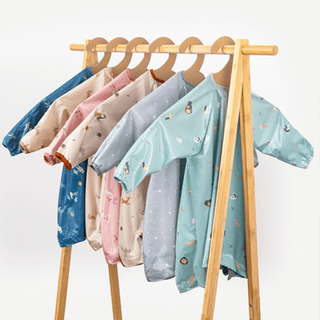
Pumpkin is gloriously messy, and that's the point. Our new Learning Curve mealtime range is designed to keep up: suction plates and bowls that stay put, easy-grip cutlery for little hands and an open cup for learning to sip.
Shop the new range
Please note: This article is for general information and does not replace advice from your GP, health visitor or a registered dietitian. Every baby is different. Wait until your baby shows the signs they're ready for solid foods (around 6 months) before starting, and seek medical advice if you have any concerns about allergies or your baby's development. For official guidance, visit NHS Start for Life: Weaning.
 Shop Now